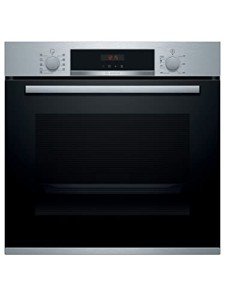
Understanding Self-Cleaning Oven Costs: A Comprehensive Guide
In the realm of modern cooking home appliances, self-cleaning ovens stick out as an advanced innovation, merging convenience with efficiency. Gone are the days of laboriously scrubbing the oven after a greasy meal. Nevertheless, key aspirants in acquiring or using such appliances might discover themselves pondering the associated costs. This short article explores various measurements of self-cleaning oven costs, supplying an extensive understanding for customers.
What Is a Self-Cleaning Oven?
A self-cleaning oven automates the process of cleaning the oven's interior utilizing very high temperature levels (typically around 800 ° F or 427 ° C). This process incinerates food residue and spills into fine ash, making it much easier to wipe away. Normally, self-cleaning options come in two primary formats: pyrolytic and steam cleaning. Pyrolytic ovens generate high heat, while steam cleaning ovens use steam to soften the gunk.
The Costs Associated with Self-Cleaning Ovens
Understanding the costs of self-cleaning ovens involves analyzing a number of aspects including purchase rate, operational costs, and potential repair and maintenance costs. Below is an in-depth breakdown of these aspects.
1. Preliminary Purchase Cost
The initial expense of a self-cleaning oven can differ extensively based on brand name, design, and features.
| Kind of Oven | Rate Range |
|---|---|
| Standard Model | ₤ 600 - ₤ 800 |
| Mid-Range Model | ₤ 800 - ₤ 1,200 |
| High-End Model | ₤ 1,200 - ₤ 2,500+ |
2. Operational Costs
Operational costs consist of utilities and any additional cleaning products. While self-cleaning ovens minimize the need for severe chemicals, electrical energy usage during cleaning need to be thought about.
- Electrical power Costs: Running a self-cleaning cycle can take in about 2-3 kWh of electricity. Depending upon local rates, this might add roughly ₤ 0.30 to ₤ 1.00 to the regular monthly bill.
- Cleaning Supplies: While self-cleaning ovens lessen the need for cleaners, some users may select surface area cleaners for maintaining the outside or touch-ups.
3. Repair And Maintenance Costs
Though self-cleaning ovens are usually low-maintenance, they may need periodic repairs.
- Routine Maintenance: This might include checking seals, changing light bulbs, or cleaning the door.
- Unforeseen Repairs: Some common repair work can cost between ₤ 100-₤ 500 depending upon the problem.
4. Long-Term Value Consideration
Buying a self-cleaning oven can result in long-term cost savings:
- Less Time Spent Cleaning: The time conserved during cleaning translates to value, specifically for hectic families.
- Keep Efficiency: A tidy oven operates more efficiently, potentially minimizing energy costs over time.
FAQs Regarding Self-Cleaning Ovens
Q1: Are self-cleaning ovens safe to utilize?
Yes, self-cleaning ovens are typically safe when used according to producer instructions. Ovens And Hobs involved can produce smoke or odors, so appropriate ventilation is suggested.
Q2: How typically should I use the self-cleaning feature?
Usage can vary based on how regularly the oven is used and the types of foods prepared. Numerous users discover that a self-cleaning cycle every 3 to 6 months is sufficient.
Q3: Can you utilize the oven while it's in self-cleaning mode?
No, it is hazardous to utilize the oven while it is undergoing the self-cleaning process. Make sure all cooking is done before starting a cleaning cycle.
Q4: What occurs to the oven if there is a great deal of buildup?
In cases of extreme accumulation, it is recommended to clean away big pieces of debris before starting a self-cleaning cycle. Continuous neglect might cause a greater risk of fire.
Advantages and disadvantages of Self-Cleaning Ovens
Advantages
- Convenience: Automates the cleaning process, conserving effort and time.
- Less Harsh Chemicals: Minimizes the need for volatile cleaners.
- Thorough Cleaning: High temperature levels ruin most residues, ensuring tidiness.
Drawbacks
- Higher Initial Costs: The purchase cost is normally greater than standard ovens.
- Energy Consumption: Self-cleaning cycles use substantial quantities of electricity.
- Potential Wear and Tear: Frequent usage might shorten the lifespan of some components.
Self-cleaning ovens represent a considerable advancement in cooking area convenience, in spite of their associated costs. When considering buying a self-cleaning oven, it's important to consider not just the preliminary purchase cost, but likewise continuous functional costs, maintenance requirements, and long-lasting benefits. By weighing these elements, consumers can make educated choices that line up with their cooking routines and spending plan restrictions. The convenience afforded by self-cleaning technology continues to make it a beneficial option for busy kitchens, showing that often, a little financial investment in time and resources pays off in a significant leap in convenience and ease.
When it comes to modern-day kitchen area devices, self-cleaning ovens provide not only a service to an as soon as troublesome chore however also boost general cooking experiences. The sensible prospective purchaser should assess overall costs and benefits before purchasing decision, ensuring their investment aligns with their culinary requirements.